The expert roadmap to audio visual charlotte nc for seamless event planning
Wiki Article
Recognizing the Inclusion of Audio Visual Technology in Today's Educational Environments
The integration of audio-visual innovation in instructional settings has actually changed the training and discovering process. Educators now have access to tools that satisfy different learning designs, improving pupil involvement and partnership. The consolidation of these innovations offers both possibilities and difficulties. Recognizing just how to successfully execute these tools is essential. What methods can instructors utilize to take full advantage of the advantages of audio-visual technology in their classrooms?The Development of Audio-Visual Modern Technology in Education And Learning
As educational needs progressed over the years, audio-visual technology undertook considerable improvements that reshaped the understanding atmosphere. Devices such as film projectors and slide programs were the primary ways of integrating visual components right into class. These early modern technologies offered instructors with the capability to present details dynamically, yet they were limited in availability and interactivity.With the development of video clip cassette recorders in the 1970s, classrooms started to integrate taped lessons, expanding the scope of instructional sources. The introduction of individual computer systems in the 1980s more transformed this landscape, enabling the production of multimedia presentations and interactive understanding experiences.
The increase of the internet in the 1990s marked a crucial moment, making it possible for real-time accessibility to a riches of audio-visual materials. Today, digital tools such as interactive whiteboards and on the internet understanding systems remain to improve the academic experience, fostering engagement and cooperation among students.
Advantages of Audio-Visual Equipment for Diverse Knowing Styles
Audio-visual tools play an important role in satisfying diverse learning designs by boosting aesthetic learning and improving acoustic engagement. By integrating pictures, videos, and audio, these modern technologies develop an even more inclusive educational setting. This complex approach allows teachers to address the diverse choices and requirements of pupils successfully.Enhancing Visual Discovering
Interaction in the knowing process is substantially enhanced via using audio-visual devices, satisfying various learning designs. These tools, such as video clips, infographics, and interactive presentations, supply aesthetic stimuli that aid understanding and retention. Visual learners, particularly, gain from the consolidation of images and animations, which can streamline complex principles and boost understanding. Furthermore, audio-visual sources can show real-world applications, making finding out more relevant and interesting. By incorporating color, movement, and sound, instructors can develop a dynamic learning environment that captures pupils' focus and fosters much deeper cognitive connections. Eventually, the tactical use audio-visual innovation not just supports aesthetic discovering but also improves the general educational experience for diverse learners.Improving Auditory Interaction
A substantial benefit of including audio-visual devices in education is their capability to enhance acoustic engagement among pupils. These tools, which incorporate multimedia discussions, podcasts, and interactive audio components, provide to numerous finding out designs, specifically profiting acoustic students (audio visual charlotte nc). By integrating sound and narrative, instructors can create immersive experiences that catch students' interest and enhance understanding. This engagement is essential, as it promotes a much deeper understanding of the product and advertises retention. Furthermore, audio-visual tools can assist in joint learning settings, encouraging students to take part in conversations and share their understandings. Inevitably, the consolidation of audio-visual innovation not only supports acoustic interaction but additionally improves the general educational experience, making discovering more vibrant and efficient for all studentsEnhancing Involvement With Interactive Understanding
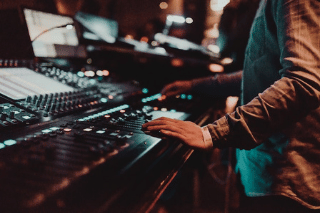
Gamification elements, such as tests and simulations, can enhance inspiration and retention, making discovering more delightful and efficient. These methods not just stimulate cognitive involvement however also cater to varied understanding styles, making sure that all pupils can get involved meaningfully. Therefore, interactive knowing settings promote a feeling of community and belonging, inevitably resulting in boosted academic end results. With the assimilation of audio visual modern technology, educators can transform typical classrooms right into vibrant areas where pupils flourish and proactively form their academic trips.
Connecting Theory and Exercise With Multimedia Resources
Multimedia sources work as a vital web link in between theoretical concepts and practical application in educational settings. By improving interaction, promoting joint knowing experiences, and sustaining varied discovering styles, these tools develop an extra inclusive and dynamic knowing atmosphere - audio visual charlotte nc. This approach not only fosters much deeper understanding but likewise prepares trainees for real-world challenges
Enhancing Involvement Via Multimedia
Engagement in educational settings considerably enhances when instructors incorporate multimedia sources right into their teaching approaches. The usage of videos, podcasts, and interactive presentations enhances the learning experience, allowing students to attach with the find out here now product on numerous degrees. Multimedia resources accommodate different learning styles, giving visual, acoustic, and kinesthetic stimulations that can hold trainees' attention more properly than standard lecture techniques. Additionally, these sources can streamline complicated principles, making them much more obtainable and remarkable. By incorporating multimedia, teachers can create a vibrant classroom environment that cultivates interest and inspires learners. Inevitably, the critical use audio-visual technology offers to connect the gap between theoretical knowledge and functional application, enriching the instructional experience for both trainers and students.Promoting Collaborative Discovering Knowledge
Various researches show that collaborative knowing experiences considerably boost pupil outcomes when incorporated with multimedia sources. Multimedia tools assist in communication among students, permitting them to engage in problem-solving and vital believing jointly. By making use of video clip conferencing, collective systems, and interactive discussions, teachers develop atmospheres for teamwork and shared understanding. These technologies enable pupils to interact their ideas successfully and obtain prompt feedback, cultivating a deeper understanding of the subject. Additionally, multimedia sources can present intricate ideas in even more absorbable styles, advertising conversation and cooperation. As a result, the mix of collective knowing and audio-visual modern technology not only enriches the academic experience however likewise prepares pupils for real-world team effort dynamics, emphasizing the significance of collaboration and collective knowledge building and construction.Sustaining Diverse Understanding Styles
While standard mentor methods frequently cater to a limited series of learning preferences, the integration of audio-visual technology offers a more comprehensive strategy to education. By utilizing multimedia resources such as videos, interactive simulations, and electronic discussions, teachers can deal with different discovering designs, including visual, acoustic, and kinesthetic. This versatility enables set apart direction, making it possible for trainees to involve with content in ways that reverberate with their specific preferences. Additionally, audio-visual devices can promote deeper understanding by providing several depictions of complex ideas. As an outcome, pupils that may have problem with traditional methods can locate alternate pathways to success, promoting a more fair discovering environment that sustains academic accomplishment for all students.Obstacles in Implementing Audio-Visual Technology
Although audio-visual modern technology holds excellent promise for improving educational experiences, its application typically encounters considerable obstacles. One main worry is the economic problem connected with getting and keeping such equipment, which can strain spending plans, particularly in underfunded organizations. Additionally, insufficient training for instructors can hinder effective integration, leaving them ill-prepared to utilize the technology fully. Technical issues, such as software program breakdowns and compatibility problems, may likewise interrupt lessons and irritate both educators and trainees. Varying levels of trainee accessibility to modern technology outside the classroom can develop disparities in learning opportunities. The capacity for over-reliance on technology may take away from necessary training methods, inevitably restricting the academic experience. Attending to these obstacles calls for an extensive technique, consisting of appropriate financing, specialist advancement, and fair access to resources, to their explanation assure that audio-visual modern technology can be leveraged properly in today's instructional settings.Ideal Practices for Integrating Modern Technology in the Classroom

In addition, fostering an interactive atmosphere with joint devices urges student interaction and involvement. Making use of varied audio-visual sources accommodates various discovering styles, suiting aesthetic, acoustic, and kinesthetic students. Routinely examining the influence of modern technology on pupil learning helps educators improve their strategies and adjust to transforming demands. Ultimately, involving students in the option of modern technology advertises possession and motivation. By adhering to these best techniques, teachers can develop a dynamic classroom atmosphere that successfully incorporates modern technology and boosts the instructional experience for all pupils.
The Future of Audio-Visual Innovation in Education
As classrooms progressively accept technology, the landscape of audio-visual tools in education and learning remains to advance (audio visual charlotte navigate to this website nc). Future developments are expected to focus on better interactivity and personalization, enabling educators to tailor learning experiences to specific trainee demands. Advancements such as augmented fact (AR) and virtual truth (VIRTUAL REALITY) will likely supply immersive knowing settings, improving pupil interaction and understanding
Man-made knowledge (AI) is poised to play a substantial role in audio-visual modern technology by offering real-time comments and flexible learning pathways. This assimilation might assist instructors identify and deal with pupil challenges better. Cloud-based platforms will certainly help with less complicated access to resources and cooperation among trainees and educators, despite place.
In addition to these technological breakthroughs, professional advancement for instructors will certainly be important, guaranteeing they are outfitted to utilize these tools efficiently. Generally, the future of audio-visual modern technology in education and learning assures to develop even more vibrant, inclusive, and impactful knowing experiences.
Often Asked Inquiries
Exactly How Can Educators Choose the Right Audio-Visual Devices for Their Classrooms?
Selecting ideal audio-visual devices requires teachers to assess their instructional goals, think about trainee needs, review offered modern technology, and look for referrals from peers or professionals, making certain devices effectively enhance learning and engagement within their specific class setting.What Spending plan Factors to consider Are There for Implementing Audio-Visual Technology?
Spending plan factors to consider for applying audio-visual technology consist of initial acquisition expenses, maintenance expenses, training for staff, and possible software application licensing costs. Furthermore, long-lasting investment in updates and substitutes must also be factored right into monetary planning.Exist Certain Training Resources for Teachers on Audio-Visual Devices?
Numerous institutions supply training resources for educators on audio-visual tools, including on the internet courses, workshops, and educational guides. These sources aim to enhance educators' abilities and confidence in properly integrating modern technology into their training practices.Exactly how Do We Measure the Efficiency of Audio-Visual Technology in Discovering?
Measuring the efficiency of audio-visual technology in discovering entails evaluating student engagement, understanding, retention rates, and total academic performance. Studies, assessments, and empirical research studies can give important understandings into its effect on educational end results.What Prevail False Impressions Regarding Audio-Visual Modern Technology in Education?
Typical false impressions about audio-visual innovation in education and learning include the idea that it assures engagement and learning results, in addition to the presumption that all pupils benefit equally, overlooking private understanding preferences and requirements.Report this wiki page